
Deep cut
Monday, October 26, 2026
Elkton's marrying parsons - how a Maryland county seat became the elopement stop of the East Coast
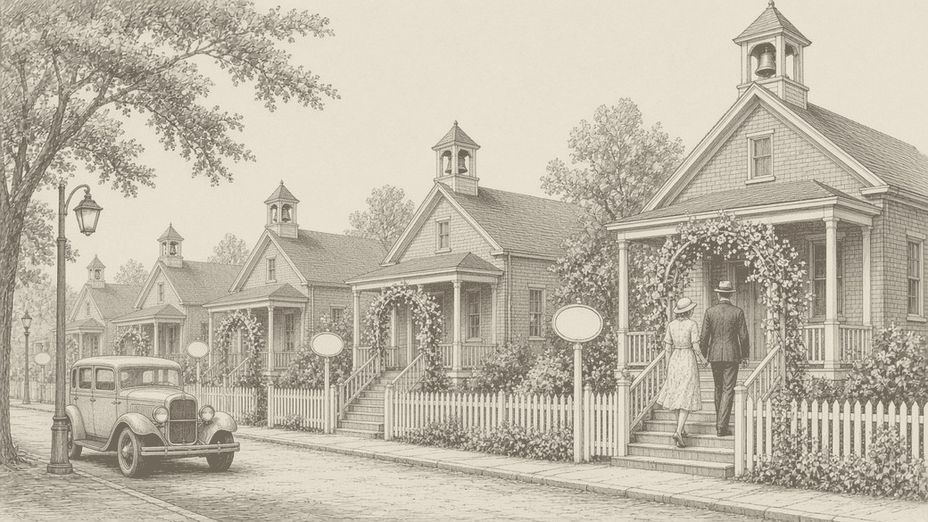
If you've lived around here long enough, somebody has told you their grandparents "ran off to Elkton." I heard it for years before I understood it wasn't a figure of speech. For a stretch of the 20th century, Elkton was where couples from all over the Northeast went to get married the same day they showed up.
If you've lived around here long enough, somebody has told you their grandparents "ran off to Elkton." I heard it for years before I understood it wasn't a figure of speech. For a stretch of the 20th century, Elkton was where couples from all over the Northeast went to get married the same day they showed up.
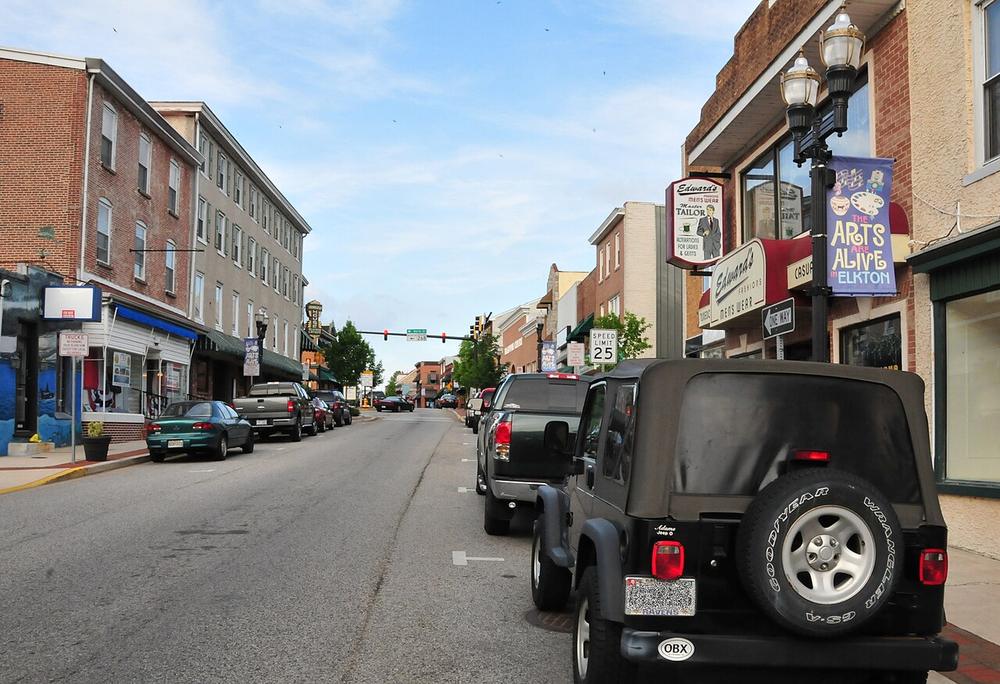
Walk Main Street in Elkton now and it looks like plenty of other old county seats. But the street used to be lined with wedding chapels. TIME and the travel writer behind Secrets of the Eastern Shore both put the number at around 20 at the peak.

Why Elkton
The short answer is a Delaware law. In 1913 Delaware added a waiting period between getting a marriage license and having the ceremony. TIME, Secrets of the Eastern Shore and Cecil County historian Mike Dixon's history site all date the change to 1913, though they describe the length of the wait differently. Pennsylvania and other nearby states already had waits of their own.
Maryland didn't. Elkton was the closest Maryland county seat to the Delaware line, and it sat on the main rail route out of Philadelphia and New York. So Elkton got the business.
Secrets of the Eastern Shore reports that Elkton issued 60 marriage licenses in June 1913 alone, after issuing 18 in all of 1912. I'd treat those exact numbers as one writer's count. The direction is the part every source agrees on.
The cab drivers ran it
Here's the part I love. The wedding business in Elkton was driven by cab drivers, more than by the ministers.
Couples came in on the train, a run TIME and Dixon's site both say people called the "Honeymoon Express." Cabbies met them on the platform and offered to handle everything: a trip to the Clerk of the Court's office for the license, a ring, flowers, and a minister. Maryland law at the time required a religious ceremony, so a courthouse wedding wasn't an option. That's why there were so many "marrying parsons" in town in the first place, and why the cab companies had their own favorites.
Secrets of the Eastern Shore adds a detail I can't stop thinking about. Maryland barred wedding chapels from soliciting business, so the chapels couldn't advertise. The cab drivers filled that gap, and the competition got rough. TIME quotes a 1937 editorial about fistfights "between rival agents."
Dixon summed it up for TIME this way: "I used to think it was the marrying ministers that drove it, but it was the cab drivers."
How busy it got
The numbers are where you have to be careful. Dixon's site says Cecil County issued 11,791 marriage licenses in 1936, in a county where about 250 weddings a year would have been normal. TIME, quoting Dixon, gives a record of 16,054 marriages in 1938. Those come from the same historian and count slightly different things, so I'm giving you both and letting you squint at them.
Either way, it was a lot of weddings for a town Dixon's site and TIME both put at about 3,000 people in that era.
Elkton's reputation spread well past Cecil County. TIME traces it through novels, radio and movies, including a line in The Philadelphia Story about "eloping to Maryland."
The 1938 vote
The rush slowed down in 1938, when Maryland voters approved a 48-hour waiting period between the license application and the ceremony. The General Assembly passed it in 1937 as Chapter 91, and it went to a statewide referendum. The official Maryland Manual for 1938 records the result, 167,122 for and 57,369 against, and says the law took effect December 9, 1938.
That didn't end the wedding trade in Elkton. It just slowed it way down. Couples kept coming for decades, and the chapels kept going on the town's reputation. TIME and Secrets of the Eastern Shore both report that the last of them, the Little Wedding Chapel on Main Street, closed in 2017. Dixon's site says the same.
Myth check
You'll read in a few places that Cecil County voted overwhelmingly against the 1938 waiting period, since the county had the most to lose. Secrets of the Eastern Shore says exactly that.
The official count says otherwise. The 1938 Maryland Manual, kept by the Maryland State Archives, lists Cecil County at 3,658 votes for the waiting period and 2,753 against. Cecil voted for it, by a little under 1,000 votes.
So the town that made money on quick weddings sat in a county that voted to slow them down. I find that a lot more interesting than the myth.
Why I'd go look
There's no museum for this, and no plaque that I could confirm. The reason to go is just to walk Main Street in Elkton and picture it with 20 chapels and a line of cabs.
This week gives you an easy excuse. The Cecil County Arts Council, at 135 East Main Street, opens its annual Photography and Digital Art Show on Friday, Nov 6. It's up through Nov 20 during gallery hours, weekdays 10 to 4 and Saturdays 10 to 2, and the opening reception is Friday, Nov 13, from 5 to 8. See the show, then take the long way back to your car.
The short version
A Delaware law in 1913 sent couples who wanted to marry fast across the line to Elkton. Cab drivers turned it into an industry, Maryland voters added a 48-hour wait in 1938, and the last chapel on Main Street closed in 2017. Cecil County voted for that wait, whatever you've heard.